Coldstone Group
Michigan Closing Cost Calculator
Use this closing cost calculator to estimate buyer closing costs, seller concessions, prepaid taxes, homeowners insurance, escrow reserves, and total cash to close before you search or buy a home.
This tool is built for Michigan home buyers who want a practical cash to close estimate. Actual figures vary by lender, loan program, property taxes, insurance, title fees, recording charges, and the final purchase agreement.
Estimate only. This calculator is not a final loan estimate, title quote, closing disclosure, tax advice, legal advice, or a guaranteed closing statement.
Cash to Close Calculator
Enter the purchase price, loan type, down payment, interest rate, and any seller concessions. The estimate includes lender fees, title fees, recording fees, prepaid taxes, homeowners insurance, escrow reserves, and total cash to close.
What closing costs do buyers pay in Michigan?
Closing costs are the one-time and upfront amounts a buyer may need in addition to the down payment. They can include lender charges, title-related costs, recording fees, prepaid property taxes, homeowners insurance, initial escrow reserves, and any program-specific fees.
Common buyer-paid costs
Lender fees, appraisal, credit report, title settlement charges, lender title insurance, deed or mortgage recording fees, prepaid interest, homeowners insurance, property tax escrows, and other file-specific charges.
Why these numbers can change
Actual costs depend on your lender, mortgage program, purchase price, county and city, insurance premium, property tax bill, closing date, and whether the seller is contributing concessions.
Typical closing cost example
Your full cash to close is more than just the down payment. The example below shows typical ranges for each item.
| Example item | Sample estimate | What it means |
|---|---|---|
| Purchase price | $250,000 | The agreed purchase price for the home. |
| Down payment | $7,500 | Example 3% down payment on a conventional FTHB loan. |
| Estimated buyer closing costs | $7,000 to $10,000 | Some costs change based on the price of the home, while others stay fixed regardless of the price. Closing costs are not a set percentage like your down payment, but typically range between 2-6%. |
| Seller concessions | 0-6% | Seller paid credits may reduce the buyer’s cash to close when allowed by the loan program. Concessions must be negotiated with the seller, and confirmed with the lender. |
Conventional vs FHA vs VA vs USDA closing costs
Loan program matters. A conventional loan estimate can look different from an FHA loan estimate, a VA loan estimate, or a USDA loan estimate because program fees, minimum down payments, seller concession limits, and escrow requirements can change.
Conventional
Often used by buyers with flexible down payment options. Cash to close usually includes down payment, lender fees, title costs, prepaid insurance, prepaid interest, and escrow reserves.
FHA
FHA loans may include an upfront mortgage insurance premium and program-specific underwriting requirements. Seller concessions may help, but final rules depend on the file.
VA
VA buyers may have a lower or zero down payment, but a VA funding fee may apply unless exempt. Some costs can be limited by VA program rules.
USDA
USDA loans may allow low or zero down payment for eligible properties and borrowers, but guarantee fees, escrows, and prepaid items still affect cash to close.
Michigan transfer taxes and recording fees
Michigan purchase transactions may involve state and county transfer taxes, deed recording, mortgage recording, and other local recording-related charges. In many Michigan transactions, transfer taxes are handled on the seller side by custom or contract, while buyers commonly see recording charges tied to the deed, mortgage, or lender requirements.
Because the purchase agreement, county, municipality, and title company can affect the final numbers, a calculator should be treated as a planning tool rather than a guaranteed settlement statement.
Prepaid taxes and insurance
Prepaids and escrow reserves are a major reason cash to close can feel higher than expected. Michigan buyers may need to bring money for homeowners insurance, prepaid interest, property tax proration, and initial escrow deposits for taxes and insurance.
- Homeowners insurance: many financed purchases require the first year of insurance to be paid upfront.
- Prepaid interest: this depends on your loan amount, interest rate, and the day of the month you close.
- Property taxes: Michigan tax prorations and escrow deposits can vary by property, city, township, and county.
- Escrow reserves: lenders may collect extra months for taxes and insurance to establish the escrow account.
Seller concessions in Michigan
Michigan does not have specific rules on seller concessions, but each loan program does have certain limits. If you would like to use a seller credits to lower the amount of cash needed to purchase a home, you will need to discuss this with your lender and real estate agent prior to writing an offer on a property. If the seller agrees to contribute toward the allowable buyer costs it will reduce the amount you need to bring to closing. Concessions cannot replace your required down payment, however. The amount allowed depends on the loan program, the purchase agreement, lender rules, and the final underwriting review.
When using this buyer closing cost estimate Michigan tool, enter expected seller concessions so you can see how they may lower estimated cash to close.
How to lower your cash to close
Ask about seller credits!
Depending on the offer, negotiated seller concessions will directly offset your closing costs.
Compare loan options!
Conventional, FHA, VA, and USDA loans can produce different down payment, funding fee, mortgage insurance, and escrow costs.
Review taxes and insurance early!
High property taxes and homeowners insurance can materially affect your Michigan cash to close estimate, especially when escrows are required.
Michigan closing cost calculator FAQ
What are typical buyer closing costs in Michigan?
What is cash to close?
Are closing costs different for FHA, VA, USDA, and conventional loans?
Can seller concessions reduce my closing costs?
Are property taxes included in Michigan closing costs?
Does this calculator replace a loan estimate?
How can I get a more accurate Michigan closing cost estimate?
Personalized estimate
Questions about your estimate?
For any questions about your estimate needs, call or email Coldstone Group using the information below. We can help you think through your Michigan buyer closing costs, seller concessions, and estimated cash to close.
Contact Coldstone Group
Final numbers should always be confirmed with your lender, title company, and closing documents.
Related Michigan buyer resources
Disclaimer
Coldstone Group does not guarantee exact closing costs, loan approval, interest rates, title charges, tax amounts, insurance premiums, seller concessions, or final cash-to-close numbers. This Michigan closing cost calculator is for general planning only and should not be relied on as legal, tax, financial, lending, title, or settlement advice. Buyers should confirm final figures with their lender, title company, purchase agreement, loan estimate, closing disclosure, and closing documents.
Our Mortgage Partner
A Coldstone Capital mortgage advisor can walk you through the process and develop a personalized plan that aligns with your budget and goals.

Coldstone Capital is a D.B.A of Premier Home & Finance Co | NMLS #2097658. Sebastian Cowgill | NMLS #2496291.
Find The Coldstone Group
Email: [email protected]
Address
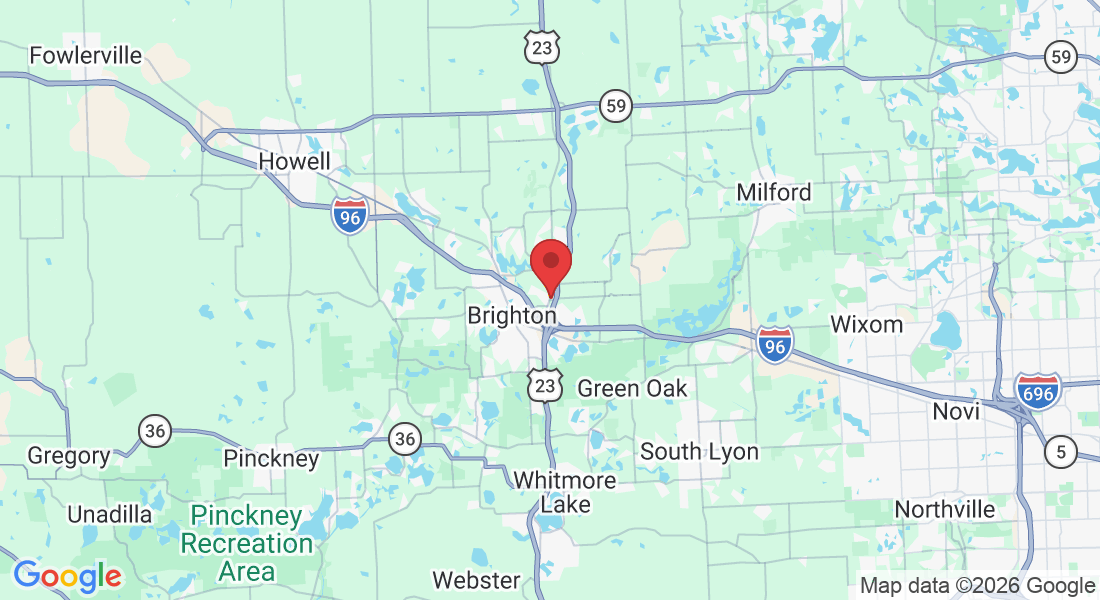
Office: 4435 Old US 23, Brighton Michigan 48114
Assistance Hours
Mon – Fri 9:00am – 8:00pm
Sat – Sun 9:00am – 5:00pm
Phone Number:
(734) 717-0806
Find Your Mountain. Master the Climb.
© 2026 Coldstone Group - All Rights Reserved.



Coldstone is an Equal Housing Opportunity broker. Coldstone is a D.B.A of Coldstone Group LLC.

752 Cambridge Cir. Grand Blanc MI, 48439